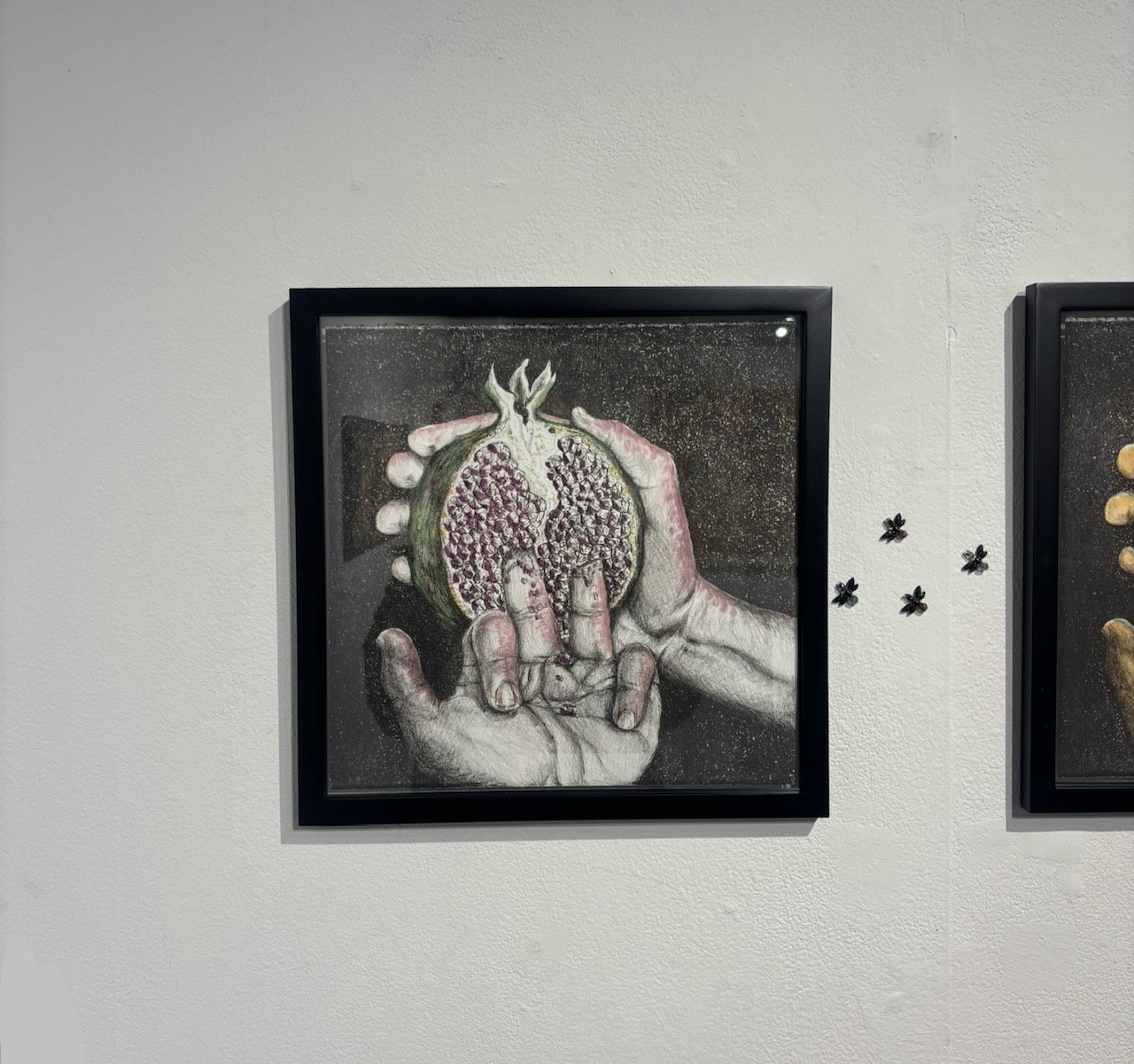
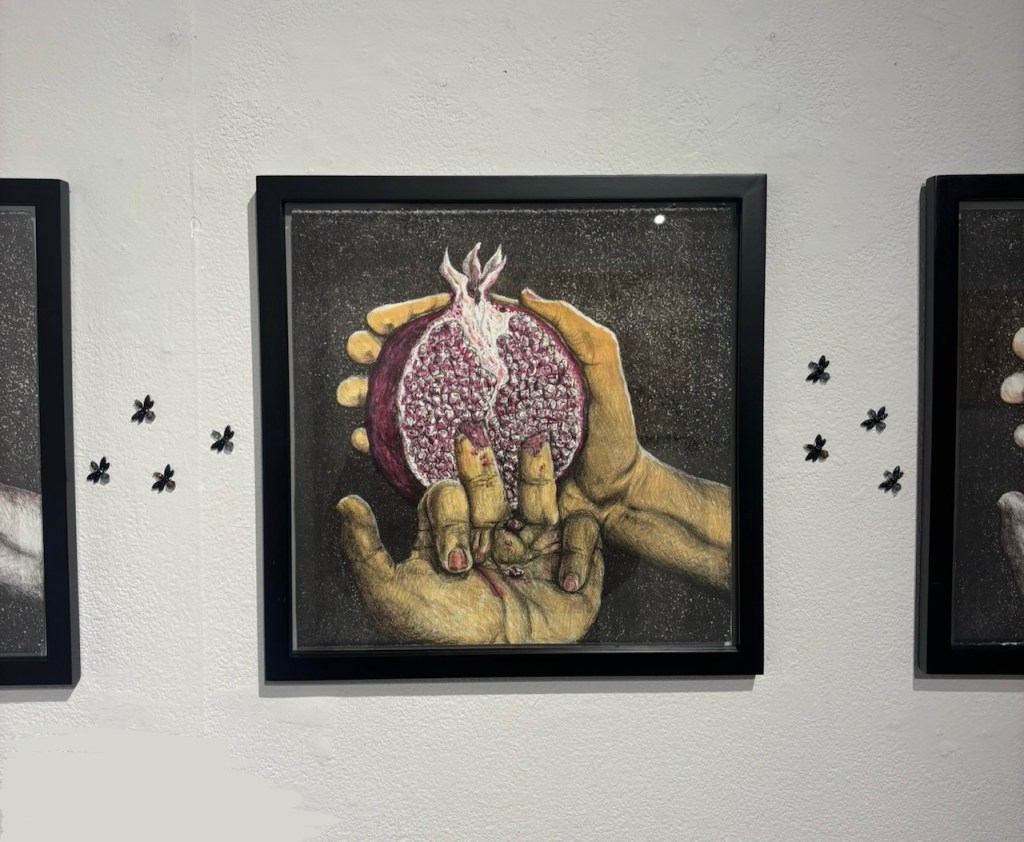
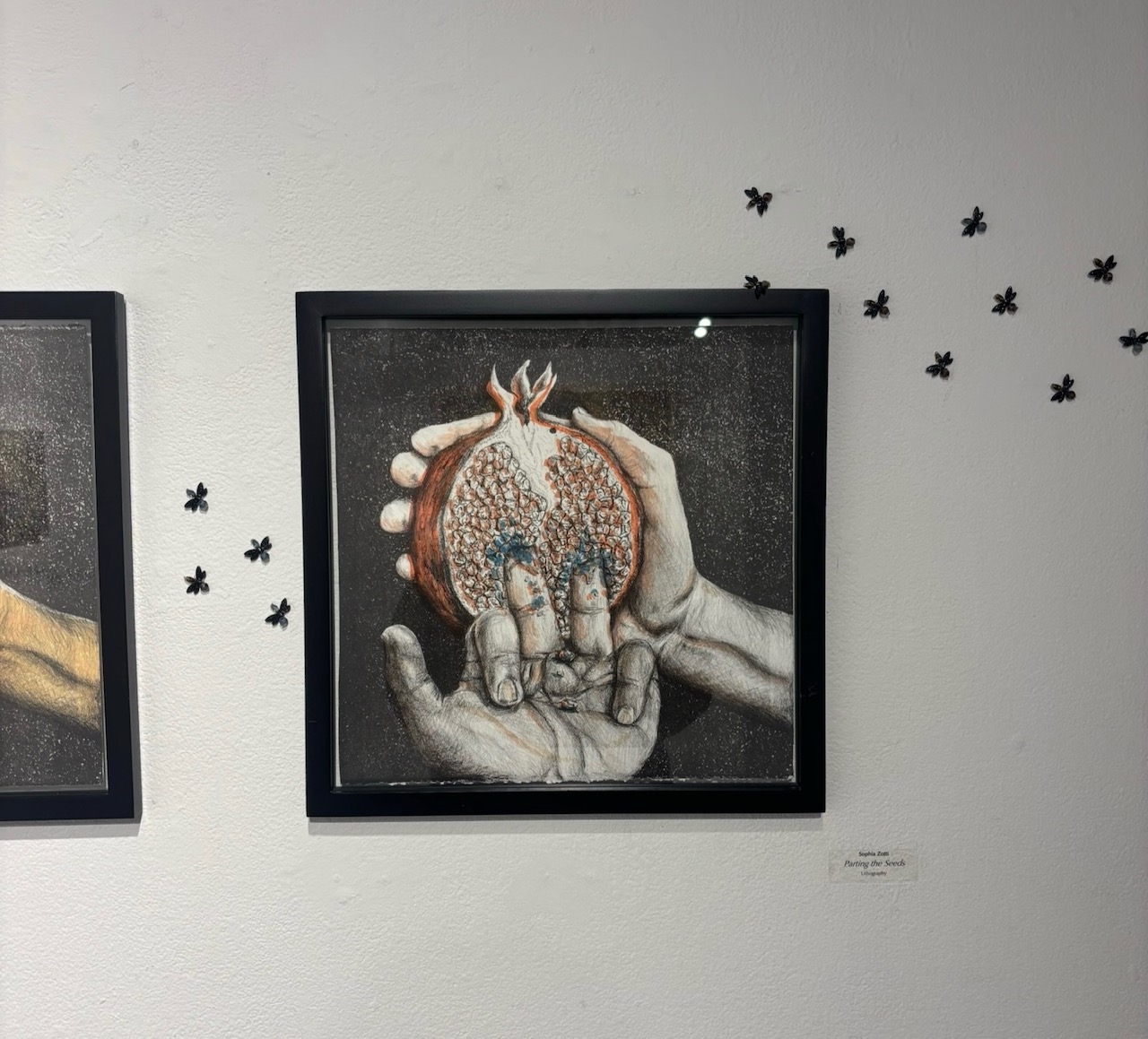
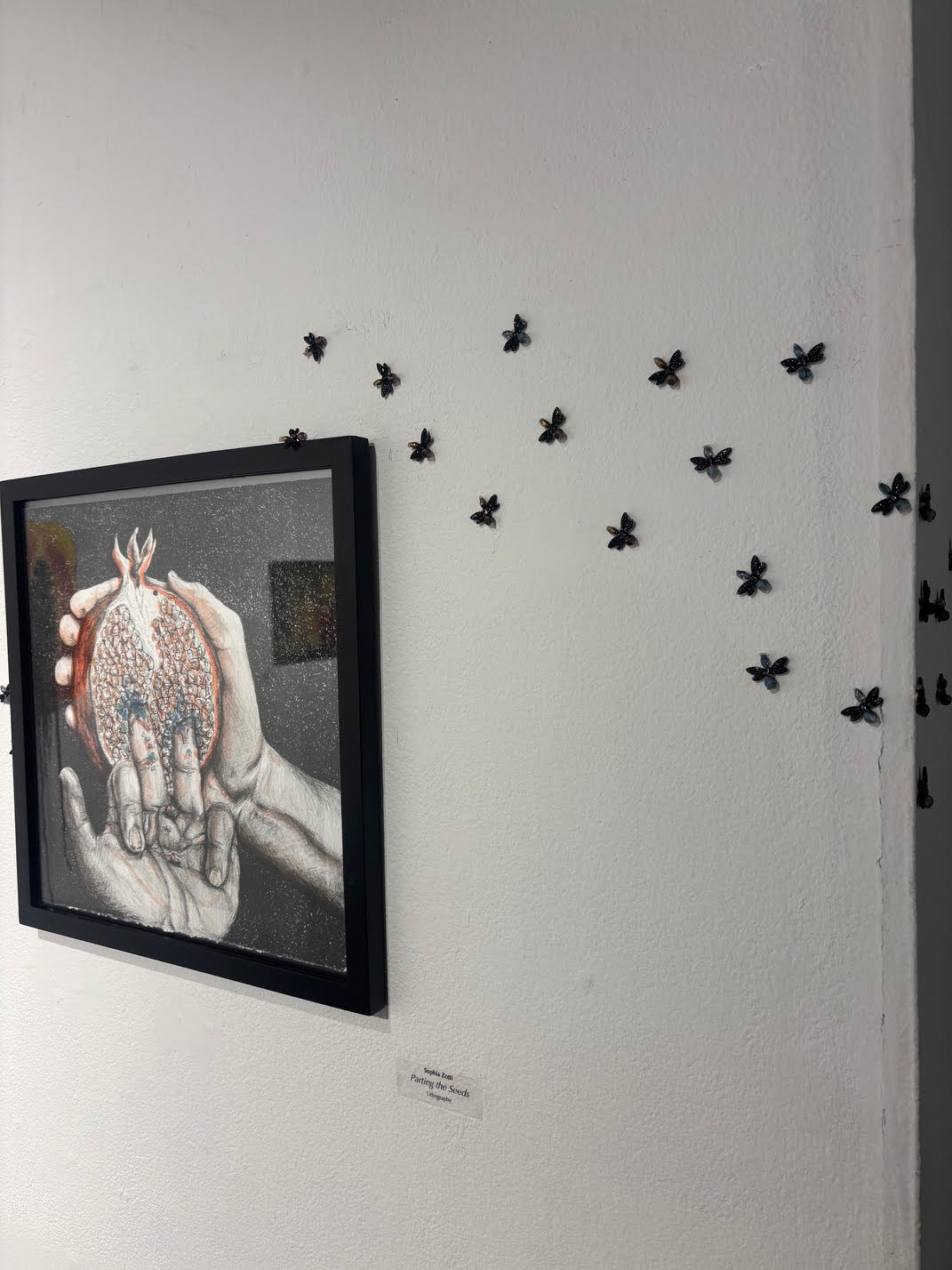
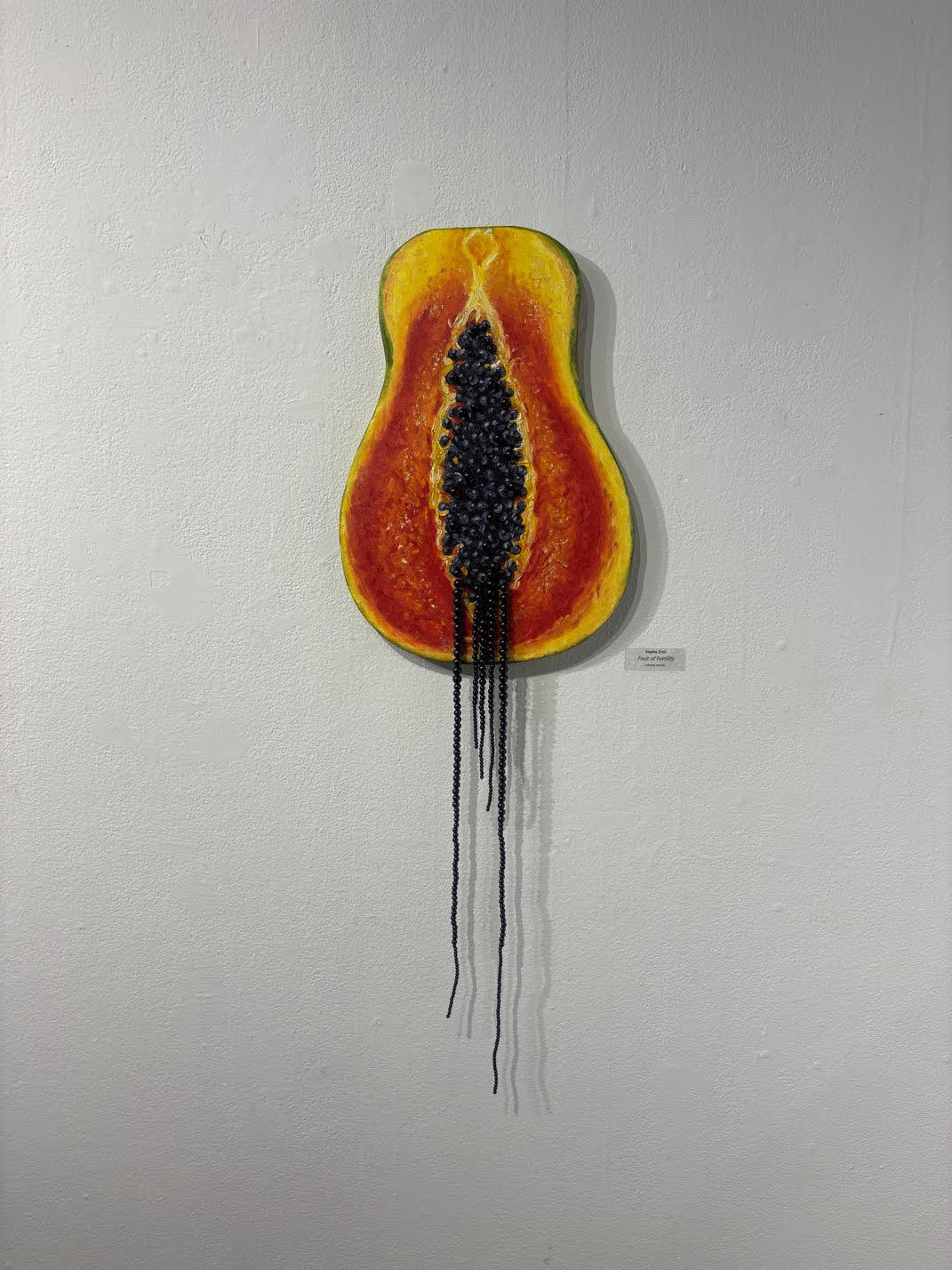
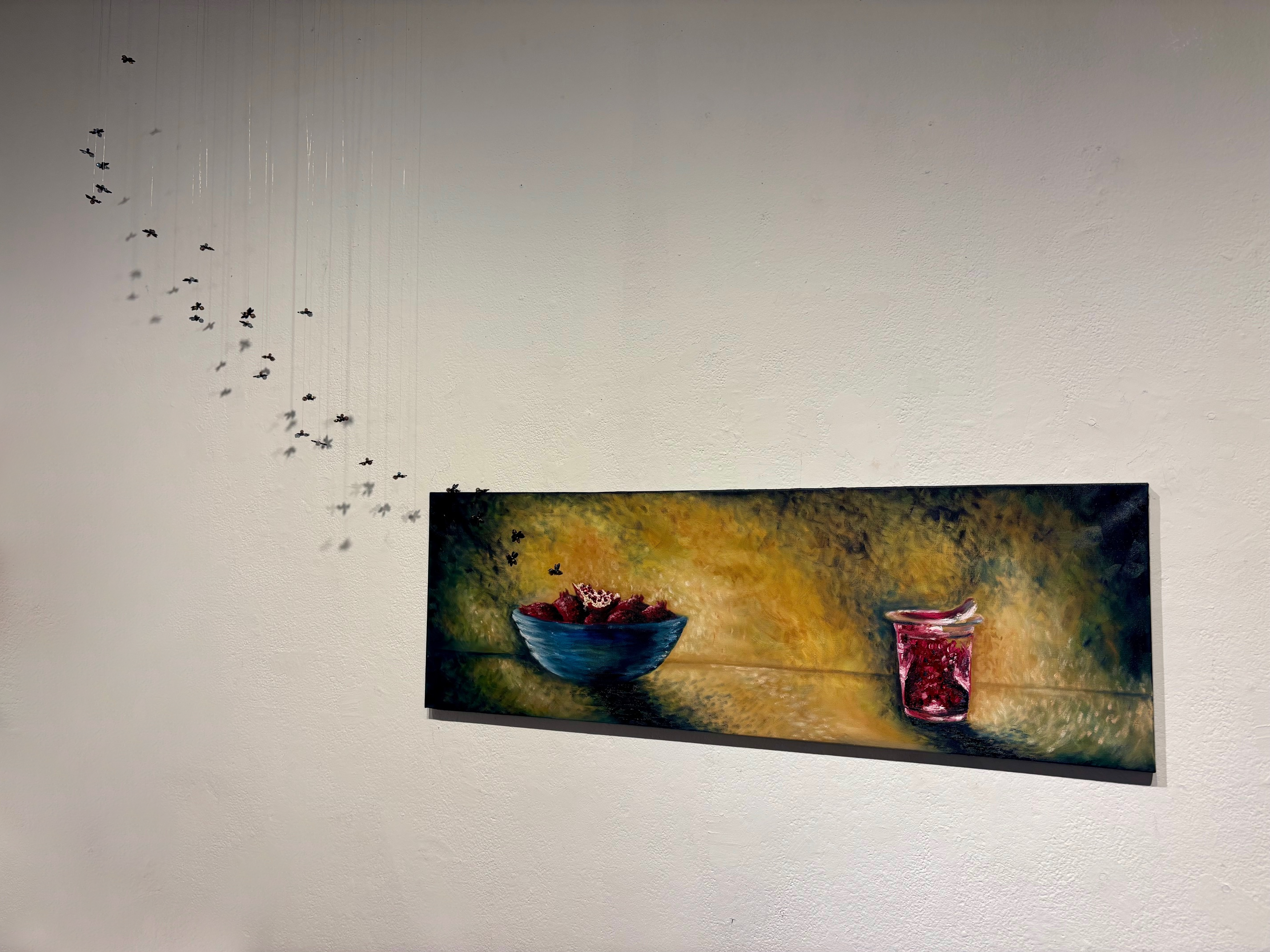
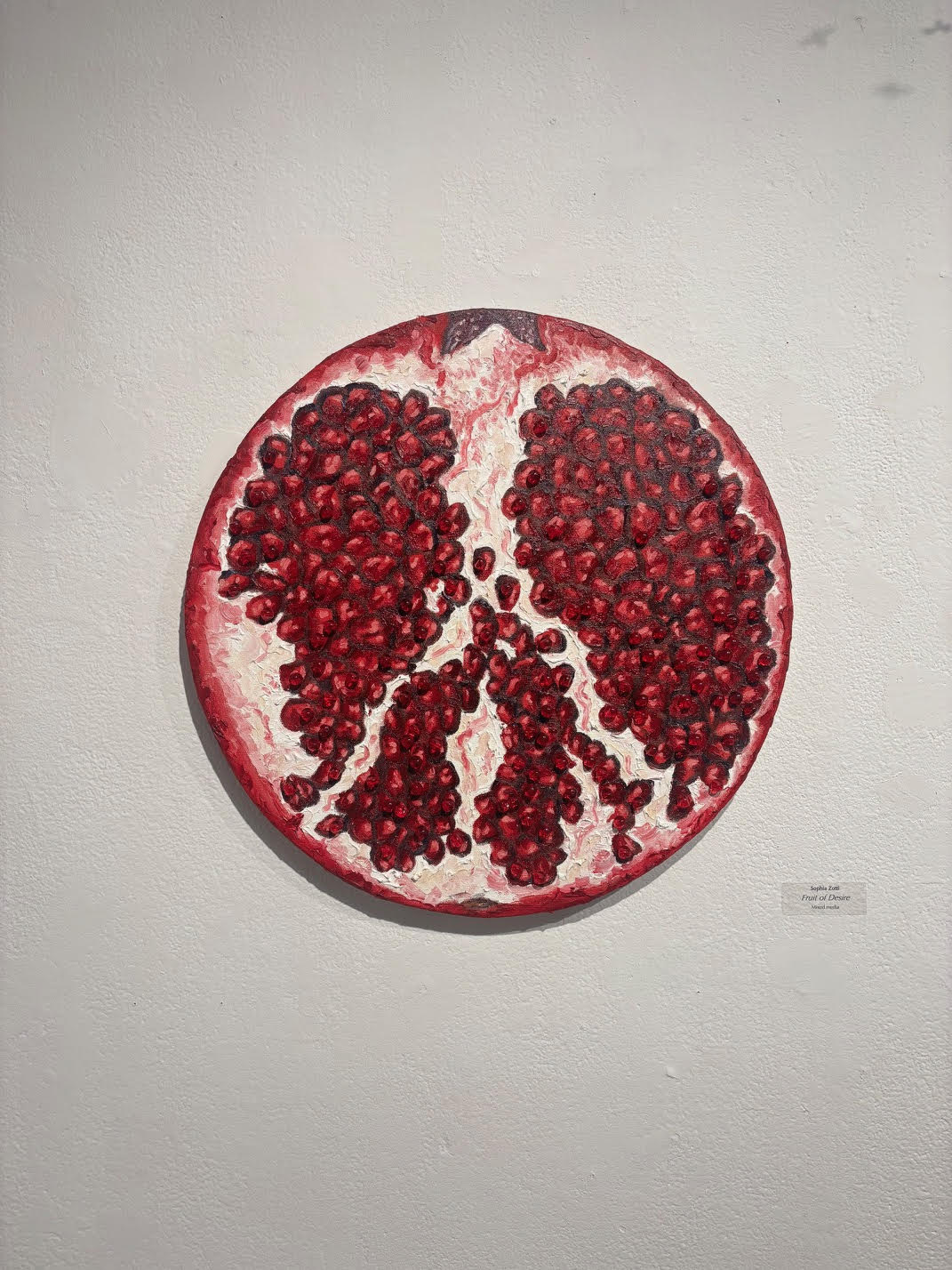
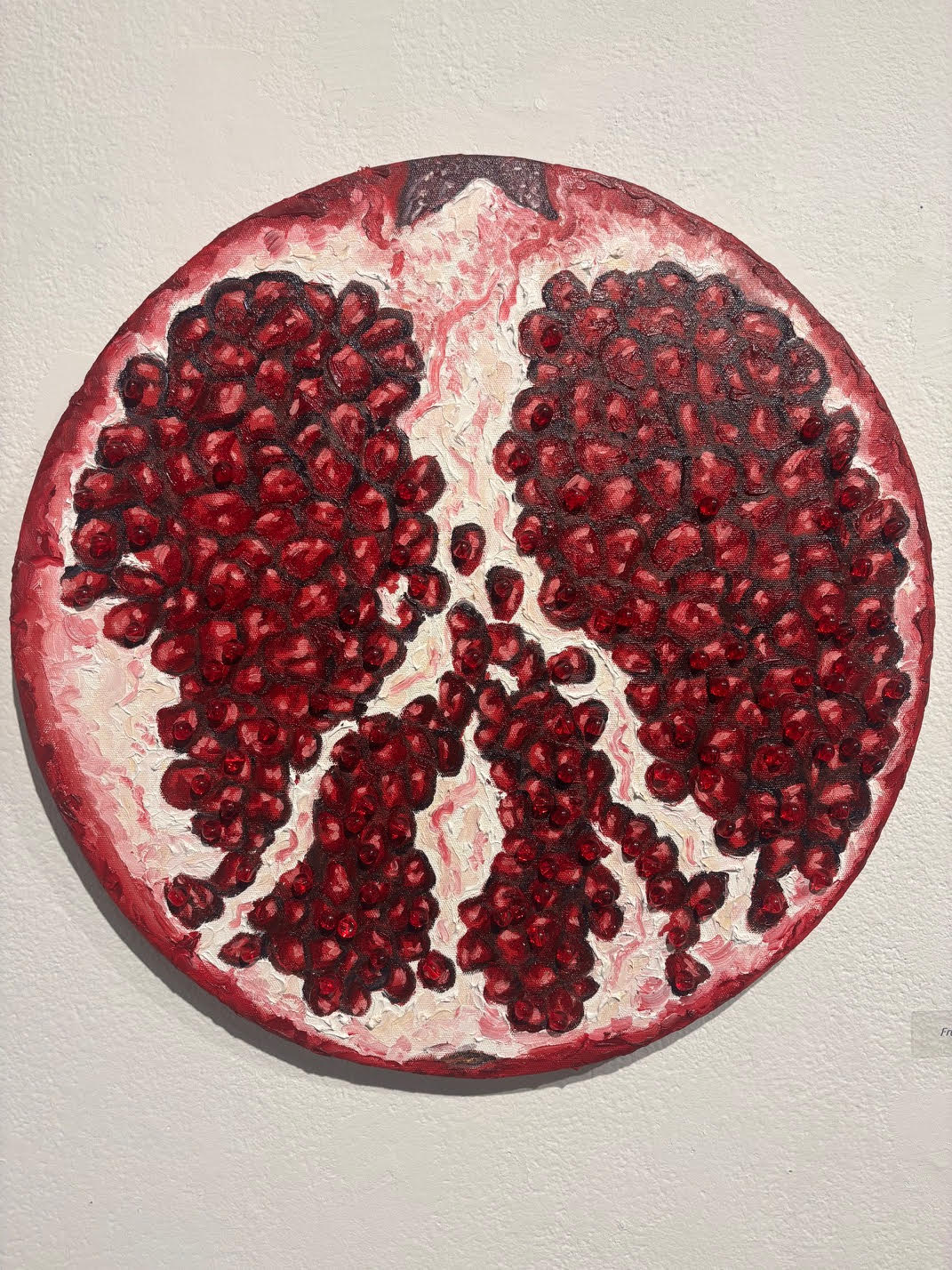
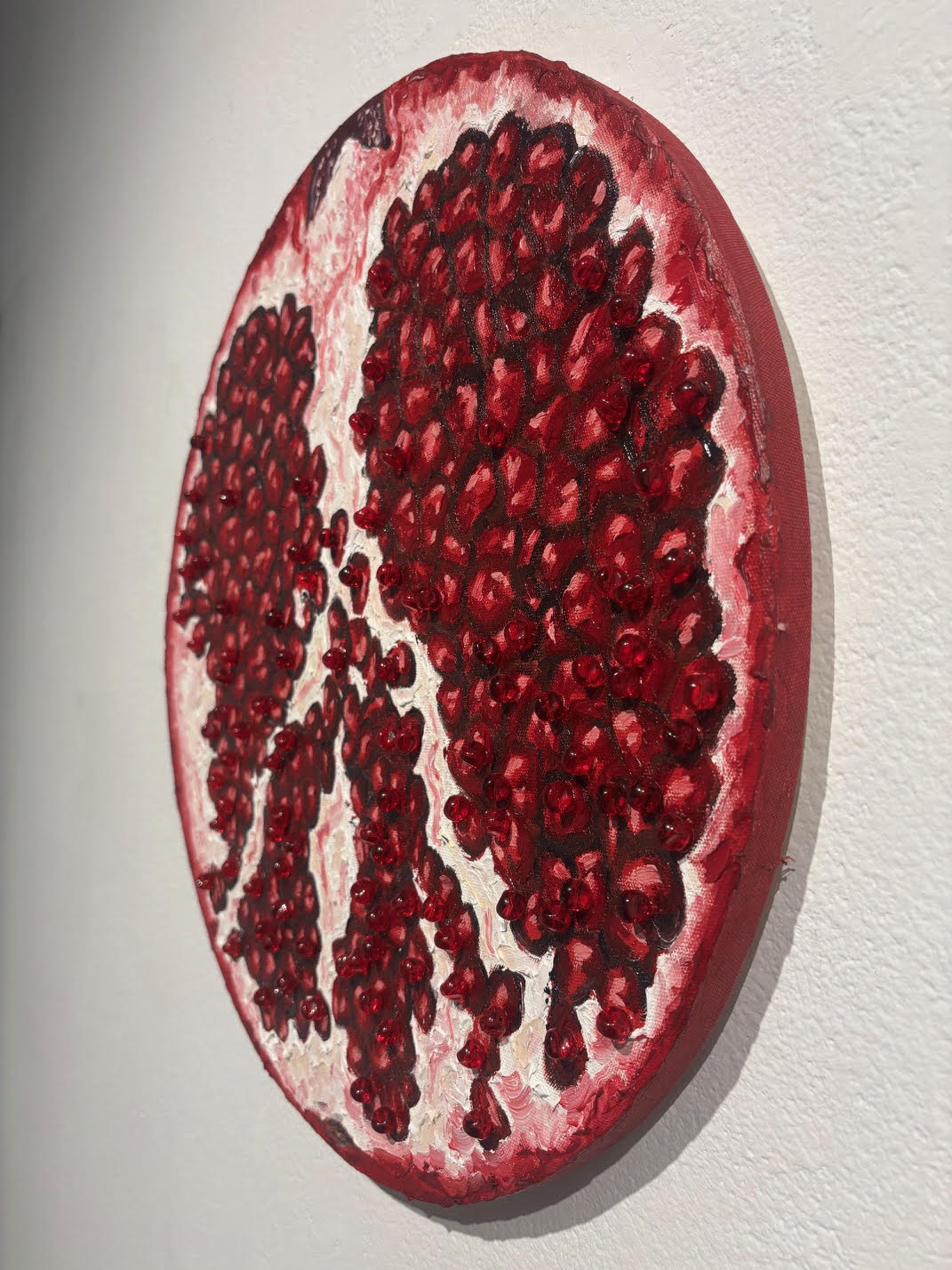
Throughout history, the female form has been frequently linked to fruit, symbolizing fertility, temptation, and consumption. This association appears in religious texts, classical mythology, art, and literature, reinforcing gender narratives that frame women as objects of desire, nourishment, and ultimately consumption. The comparison of women to fruit not only sexualizes the female body but also suggest it’s perishability- ripe for indulgence, subject to decay, and existing for the pleasure of others.
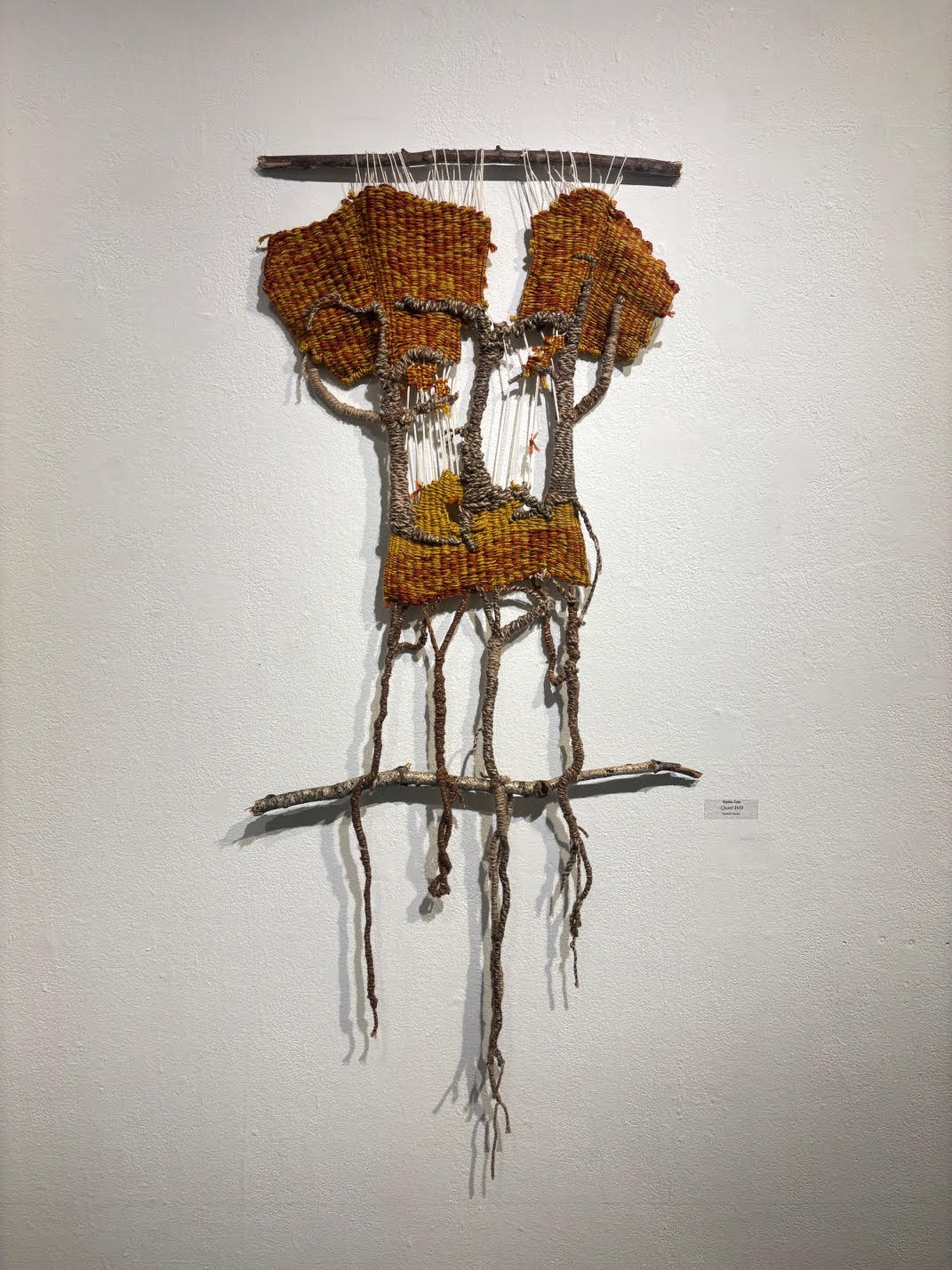
From the vibrant bloom of spring to the full embrace of summer, the inevitable decline in fall, and the stillness of winter, the tree reflects the beauty, growth, and decay that define the desire for each stage of a woman’s body.
Sophia Zotti believes recognizing and challenging these ingrained narratives is essential in dismantling the perception of women as consumable entities and reclaiming agency over the female body.


















 Sophia Zotti